
Spike is paying attention to the time so that he is ready to Spring Forward!!

Foster Families: The 25-26 Foster Yearbook is now on sale until April 24th. You can scan the QR code or go to: https://account.treering.com/create-account/1017573677294637?PassCode=1017573677294637
π¨ Yearbook Cover Contest!
Foster students can submit artwork for a chance to be on the 2025β2026 Yearbook cover.
π
Deadline: March 27 at 12 PM
π Turn entries in to your teacher.
We canβt wait to see your creativity, Bulldogs! πΎ
#yearbook #fosterelementary #pta

Kindergarten Roundup is approaching for all incoming Kindergarten Bulldogs. Please mark your calendars now to attend this annual event.

We are working hard on teamwork and Reader's Theater in First Grade.


Foster Families: Please check out our Bulldog Bulletin for LOTS of information: https://humbleisdtx.edurooms.com/engage/fe/newsletters/march-3-2026-bulldog-bulletin

Come see what Band is all about at Kingwood Middle School. April 1st at 6:00 p.m.

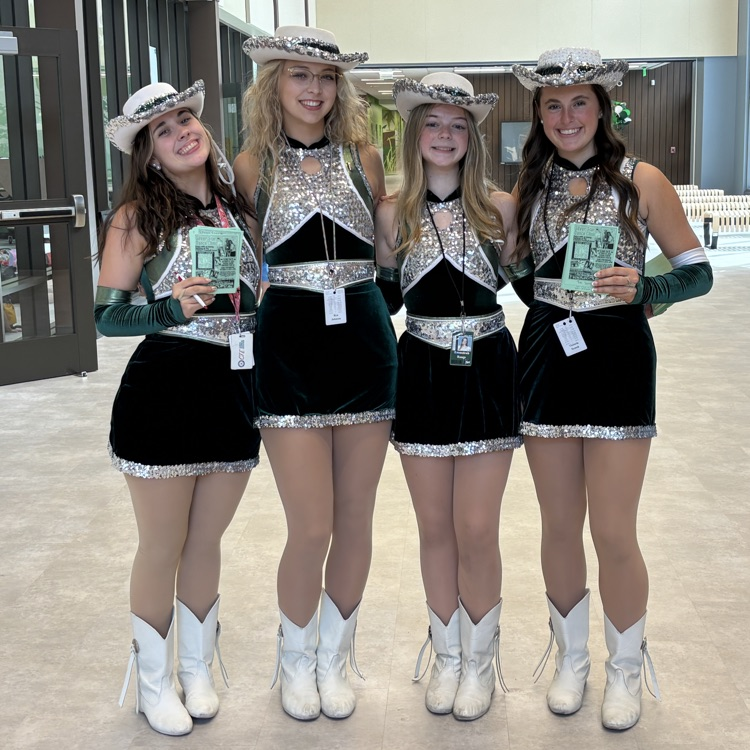
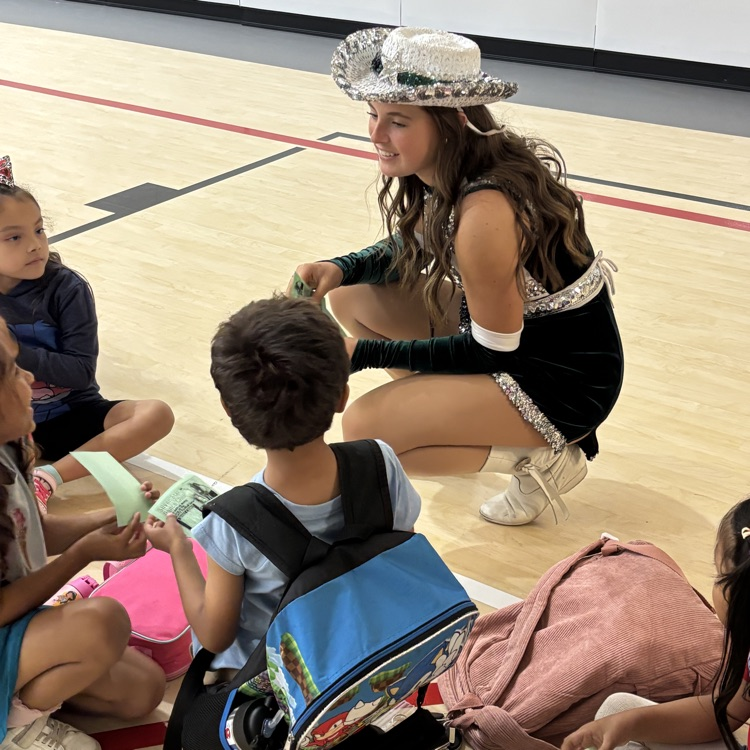
Foster 5th Graders interested in the KMS 26-27 Dance Team, The Charms, are encouraged to attend the parent information session Tuesday, March 3rd.


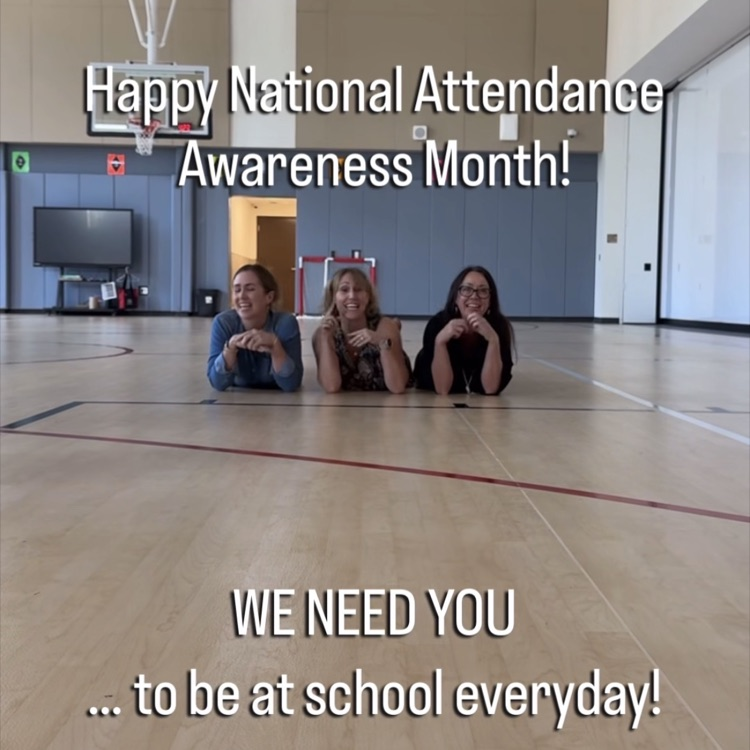
April 6th Attendance Challenge! Mark your calendars to be in school and win this fun prize for your grade level.

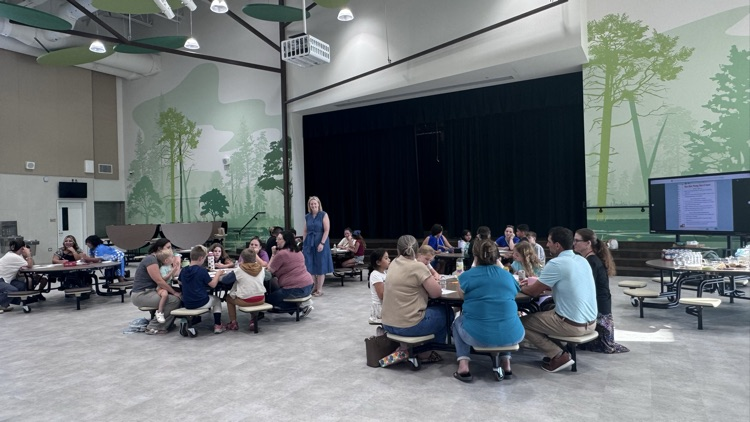
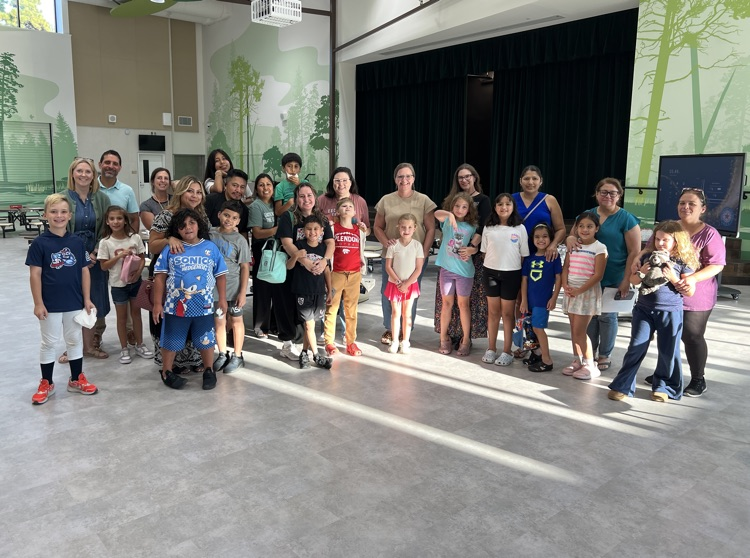
Thank you to all of our Bulldog families for coming out to Spike's Showcase.


Don't forget to wear your Western wear tomorrow for Go Texan Day!

We can't wait to see all of our Foster Bulldog Families at Kingwood Middle School tomorrow night!

Weβre bouncing with excitement for our amazing inflatable sponsor, Purcell Construction Inc.! ποΈπ Thank you for helping us bring the FUN to Spikeβs Spring Carnival! Because of sponsors like you, our students get to jump, laugh, and make the best memories.

Battle of the Books is coming up March 7, 2026. Mark your calendars for this exciting event!

Foster Families, please check out our Bulldog Bulletin for lots of information: https://humbleisdtx.edurooms.com/engage/fe/newsletters/feb-24-2026-bulldog-bulletin
We can't wait to see all of our families Thursday night at KMS for Spike's Showcase, 5:30-7:00.
We are excited for you to listen to tonight's Spike's Storytime because the main character may look a little familiar. https://live.myvrspot.com/iframe?v=fNWIwMzQ4YzI2NjQzY2JjMDI2YTg4MmM1ZTdlOGExNTA&share=1
Save the Date! Foster Carnival is coming soon.

We are so excited to celebrate and showcase some of the work that happens at Foster at our 1st ever Spike's Showcase: A Night to Shine. We can't wait to see all of our Bulldog Families Thurs., February 26 from 5:30-7:00 at Kingwood Middle School.

Foster Bulldogs Math Content Connection:
Several weeks ago we introduced our families to the Read-Draw-Write Math Problem Solving Process. We focused on the Read portion, but Draw is another key piece to the Read-Draw-Write problem solving process that Foster students are using across all grade levels.Β As students read and re-read the math question or word problem, they can determine what can be drawn that is related to what they have read.Β We might refer to these drawings as math drawings, models, or representations. As students re-read a story problem in chunks, they might draw and label a model to represent the relevant parts of the story problem.Β They can then use their model to determine what is unknown and write and use equations to find a solution.Β Drawing isnβt about artistic ability, itβs about making thinking visible. When students can see the relationships in a problem, they are more confident and accurate in solving it.
The most common model students are often encouraged to draw during Read-Draw-Write is a strip diagram.Β Strip diagrams help students show relationships between numbers in a clear, visual way.Β Attached is a picture of some strip diagram examples from different grade levels.
When supporting your child with problem solving at home, you can ask them the following questions: What do you visualize? Can you draw and label something to represent the problem? What conclusions can I make from my drawing?
Encouraging your child to draw before jumping straight to an answer builds strong problem-solving habits that will support them across all math topics.
In a few weeks we'll share information on one more portion of the problem solving process, Write. At that time families will have a description of all 3 portions, Read-Draw-Write, since Read was shared several weeks ago.
For a Read refresher:
The Read portion is not something students do just once and then move past, it is used throughout the entire problem-solving experience.
Students are taught to read the problem all the way through first to understand the situation. As they work, they often go back and re-read the problem in smaller chunks to support their drawing, reasoning, and solving. This helps students slow down, make sense of the math story, and avoid jumping straight to calculations.
When reading word problems, students are encouraged to ask themselves questions such as: What is this story about? Who or what is involved? What information is given? What are we being asked to find? These questions help students build understanding and set themselves up for success as they move through the rest of the problem-solving process.
Families can support this process at home by encouraging children to slow down and read math word problems carefully. Ask your child to explain the problem in their own words before solving, or have them point out important information in the story. Helpful questions to ask include: What is happening in the problem? What numbers matter? What are you trying to find? Remind your child that itβs okay, and often helpful, to reread the problem more than once. This habit builds confidence and helps students become thoughtful, independent problem solvers.
Several weeks ago we introduced our families to the Read-Draw-Write Math Problem Solving Process. We focused on the Read portion, but Draw is another key piece to the Read-Draw-Write problem solving process that Foster students are using across all grade levels.Β As students read and re-read the math question or word problem, they can determine what can be drawn that is related to what they have read.Β We might refer to these drawings as math drawings, models, or representations. As students re-read a story problem in chunks, they might draw and label a model to represent the relevant parts of the story problem.Β They can then use their model to determine what is unknown and write and use equations to find a solution.Β Drawing isnβt about artistic ability, itβs about making thinking visible. When students can see the relationships in a problem, they are more confident and accurate in solving it.
The most common model students are often encouraged to draw during Read-Draw-Write is a strip diagram.Β Strip diagrams help students show relationships between numbers in a clear, visual way.Β Attached is a picture of some strip diagram examples from different grade levels.
When supporting your child with problem solving at home, you can ask them the following questions: What do you visualize? Can you draw and label something to represent the problem? What conclusions can I make from my drawing?
Encouraging your child to draw before jumping straight to an answer builds strong problem-solving habits that will support them across all math topics.
In a few weeks we'll share information on one more portion of the problem solving process, Write. At that time families will have a description of all 3 portions, Read-Draw-Write, since Read was shared several weeks ago.
For a Read refresher:
The Read portion is not something students do just once and then move past, it is used throughout the entire problem-solving experience.
Students are taught to read the problem all the way through first to understand the situation. As they work, they often go back and re-read the problem in smaller chunks to support their drawing, reasoning, and solving. This helps students slow down, make sense of the math story, and avoid jumping straight to calculations.
When reading word problems, students are encouraged to ask themselves questions such as: What is this story about? Who or what is involved? What information is given? What are we being asked to find? These questions help students build understanding and set themselves up for success as they move through the rest of the problem-solving process.
Families can support this process at home by encouraging children to slow down and read math word problems carefully. Ask your child to explain the problem in their own words before solving, or have them point out important information in the story. Helpful questions to ask include: What is happening in the problem? What numbers matter? What are you trying to find? Remind your child that itβs okay, and often helpful, to reread the problem more than once. This habit builds confidence and helps students become thoughtful, independent problem solvers.

K-5 Foster Bulldog Families: Guess what?!? The date to order a 2025-2026 Foster Super Kids Day T-shirt has been extended to Monday, 2/23!!!! To place an order for the $14 shirt go online to: https://foster2026.itemorder.com/shop/home/